
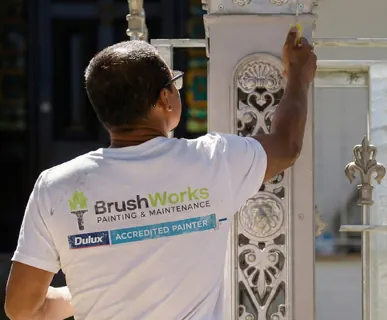
Heritage Safety Guide
Lead Paint Checks Before Repainting


Older coatings can contain lead, and disturbing them can spread hazardous dust and debris. Before a heritage repaint, identify whether lead may be present and decide how the risk will be assessed and controlled.
Treat Older Paint as a Potential Hazard
The NSW Environment Protection Authority says lead-based paint is a common source of lead around homes built before 1970. Lead exposure can harm people of all ages, with greater risks for children and pregnant women. If paint, dust or soil may be contaminated, seek advice before sanding, scraping or otherwise disturbing it.
Assessment Comes Before Preparation
The building’s age can indicate risk but cannot confirm the contents of a coating. Record the condition and locations of suspect paint, arrange suitable testing or professional advice, and keep occupants away from areas where hazardous dust could be created.
- Do not assume a recent topcoat means the older layers are lead-free.
- Resolve containment, access, waste and cleaning requirements before work starts.
- Tell the contractor about children, pregnant occupants and occupied areas.
- Use the assessment to define whether encapsulation, limited preparation or removal is appropriate.
Coordinate Safety and Heritage Requirements
Lead controls do not replace heritage or planning approvals. A protected exterior may also have restrictions on colour, surface treatment and removal methods. Confirm both sets of requirements before the scope is accepted.
Brushworks Painting Projects
Recent Project Photos
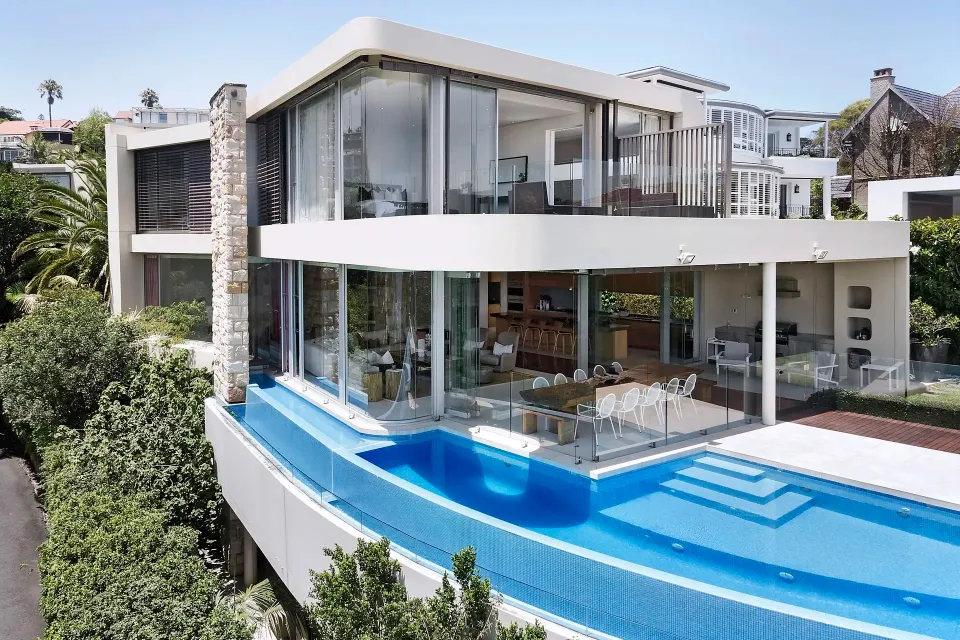
Vaucluse Luxury Residential Painting
See all 5 photos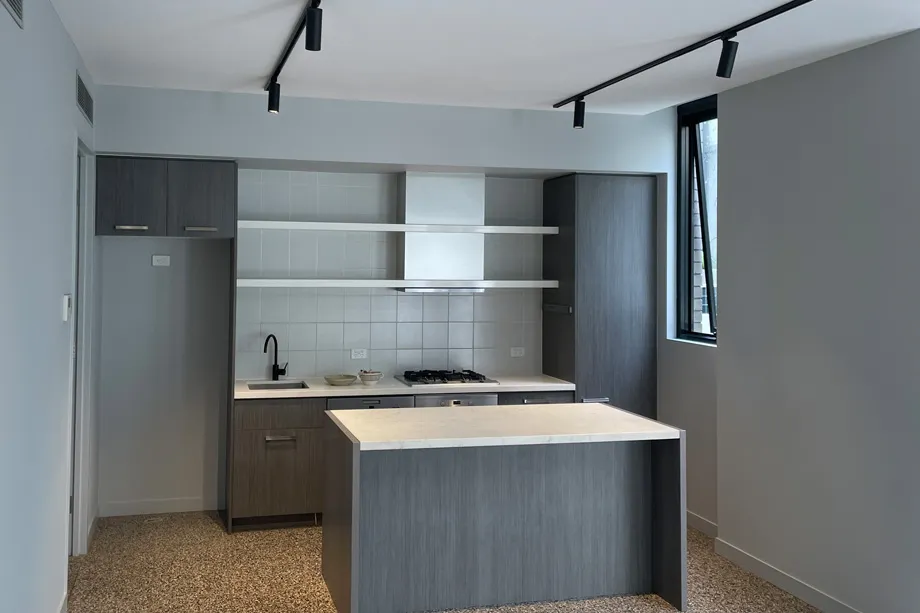
Sydney CBD Rental Paint Refresh
See all 5 photos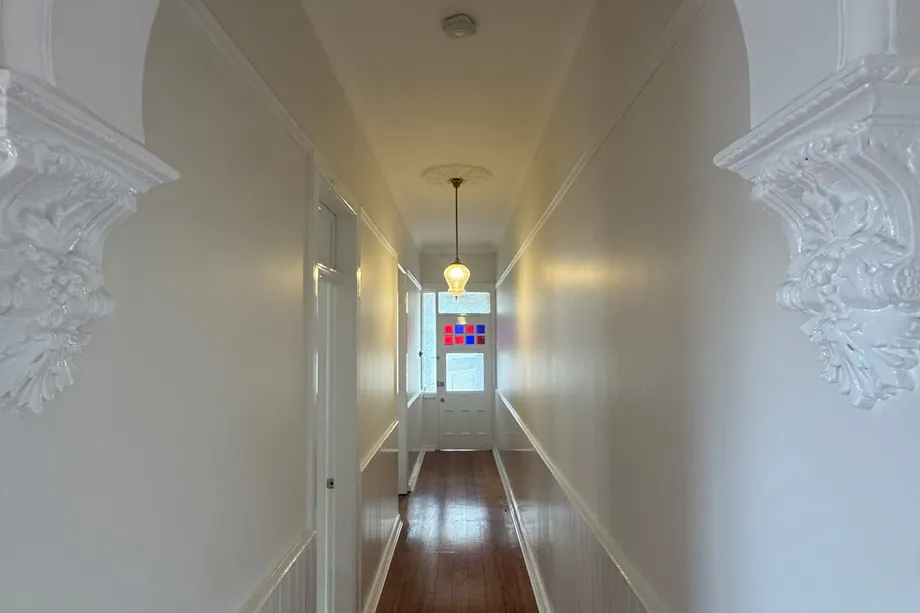
Annandale Heritage Restoration & Repaint
See all 5 photos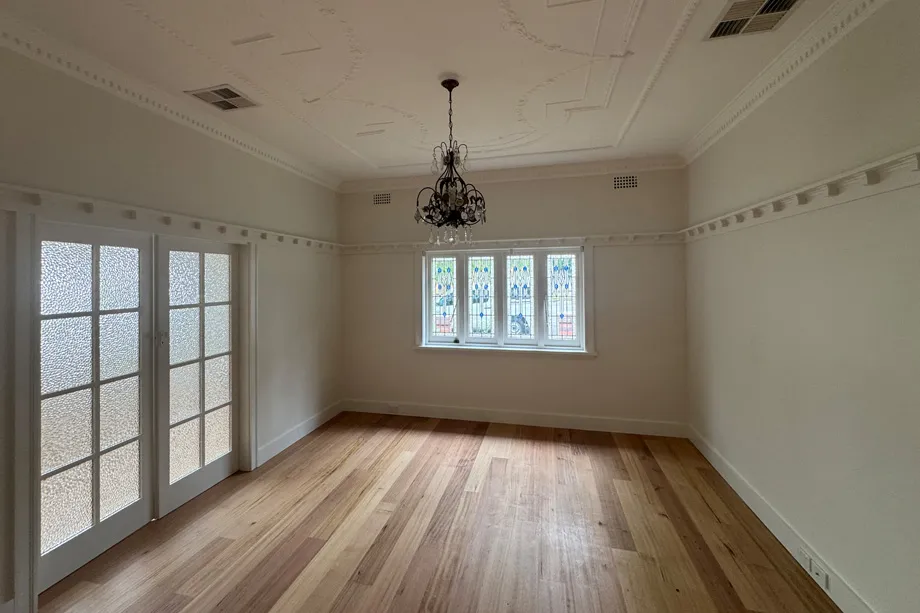
Haberfield Interior Makeover Dulux Finishes
See all 5 photos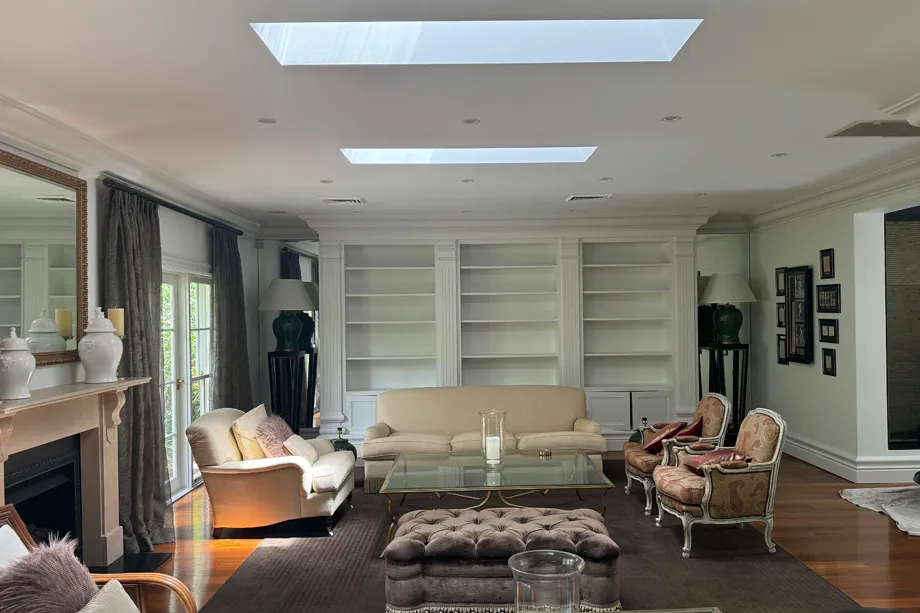
Camperdown High-End Home Painting Upgrade
See all 4 photos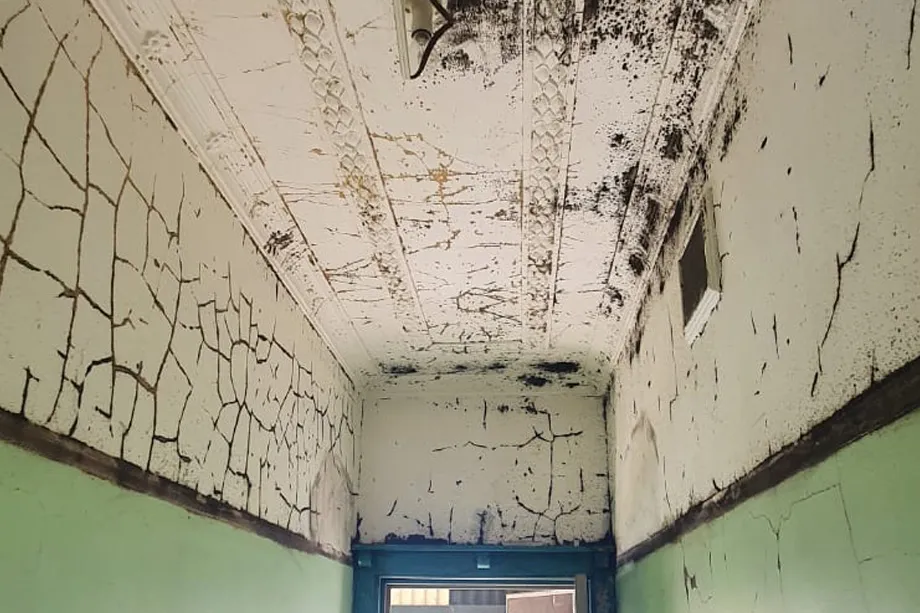
Stanmore Toxic Mould Removal & Repaint
See all 5 photos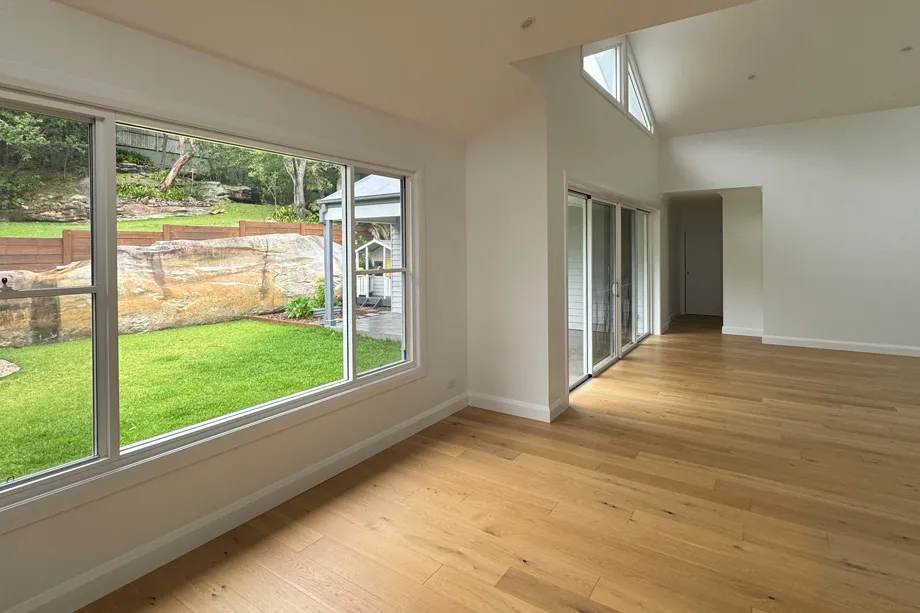
Inner West Sydney Fast Pre-Sale Painting
See all 5 photos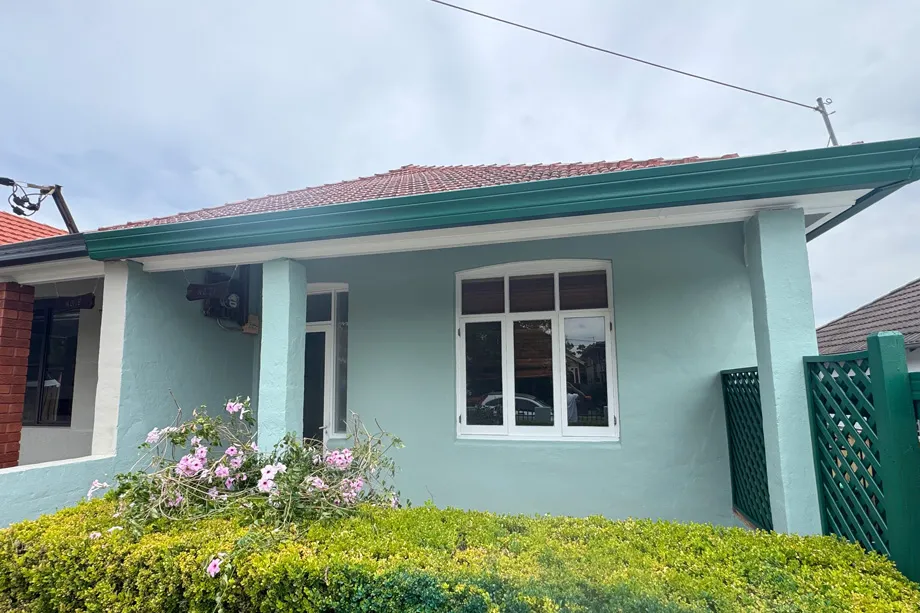
Five Dock Home Repaint Modern Colours
See all 5 photos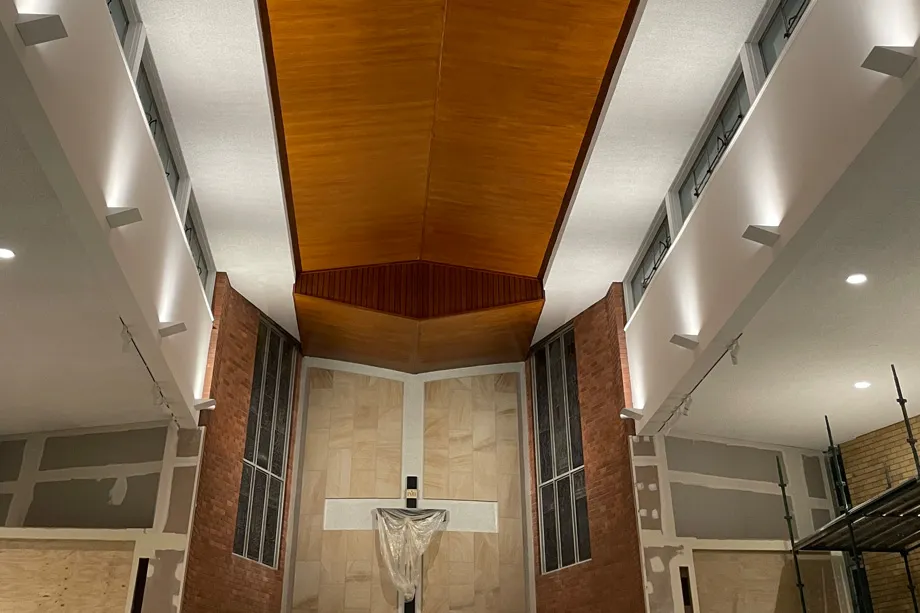
Cronulla Church Restoration Painting
See all 5 photos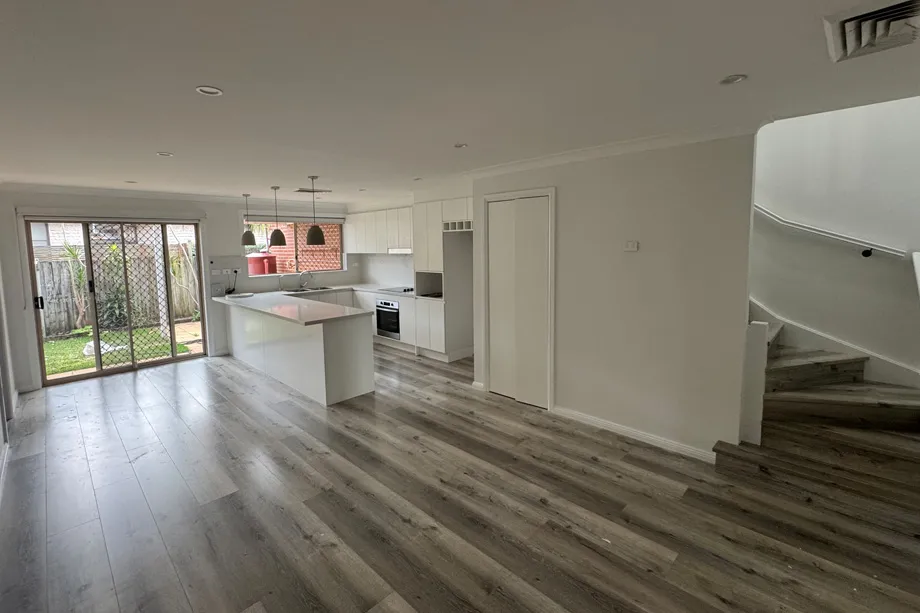
Guildford Two-Level Home Painting Project
See all 5 photos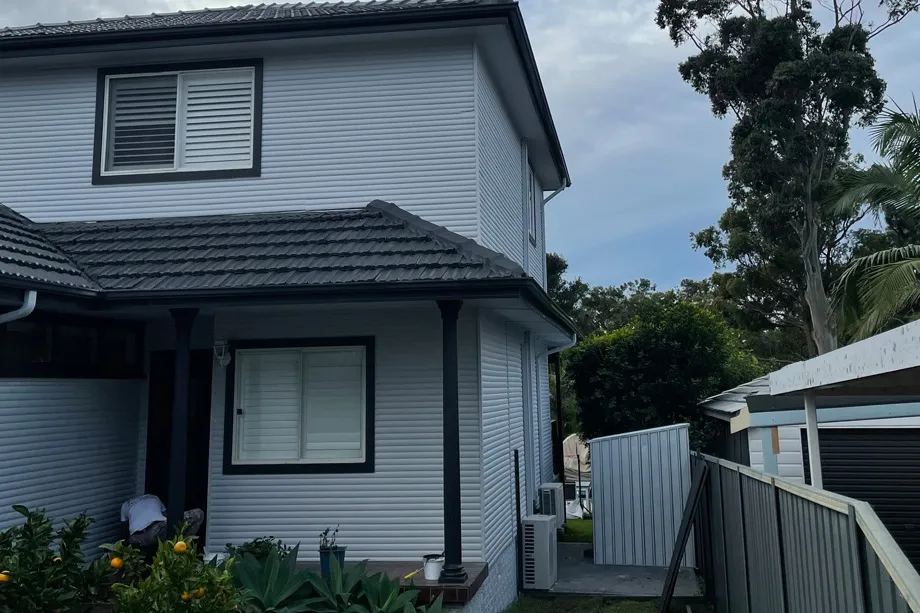
Wentworthville Investment Property Painting
See all 5 photos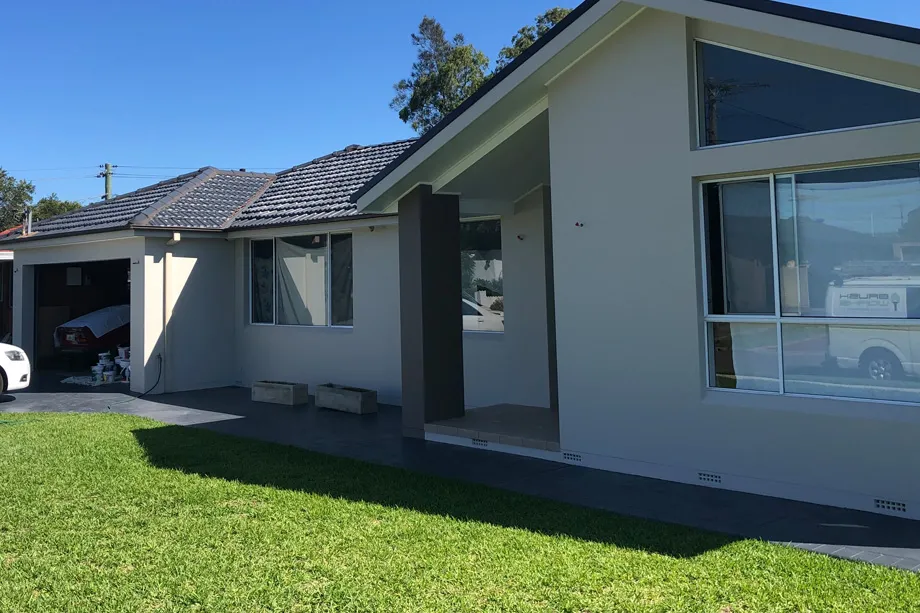
Western Sydney Full Exterior Repaint
See all 5 photosDiscuss Your Project
Get a Site-Specific Painting Quote
Tell Brushworks the building age, affected surfaces and coating condition. Suspected lead requires an appropriate assessment and safe work plan before disturbance.